

Naval

Loitering Munitions Are Redefining the Vulnerability of Modern Navies

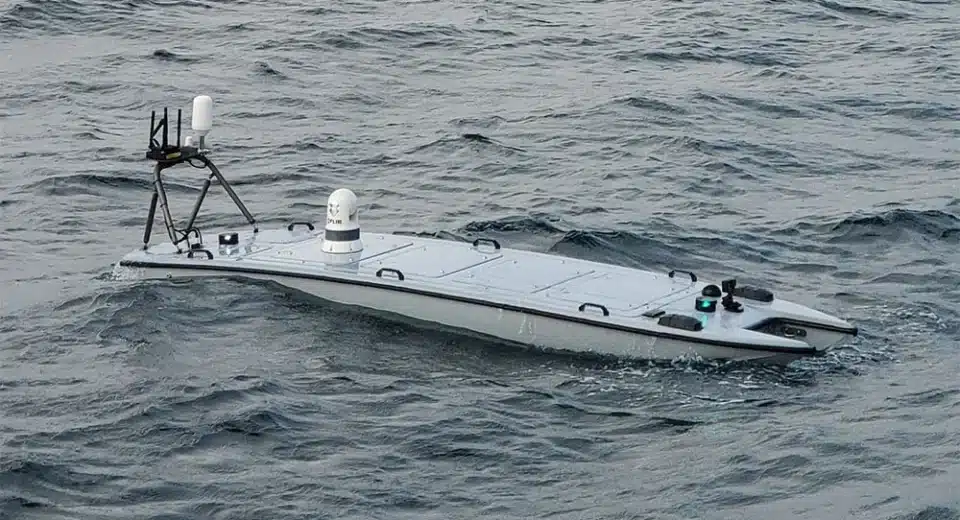
Modern navies were long designed to counter clearly identified threats: supersonic anti-ship missiles, submarines, and combat aircraft. Shipboard defensive architectures reflected that logic. Warships were expected to detect and intercept a limited number of highly sophisticated threats before impact. Recent conflicts, however, are revealing the emergence of a different model. From Ukrainian naval drones operating […]
Cyber

Military Data Centers: The Hidden Dependency Behind Digital Warfare

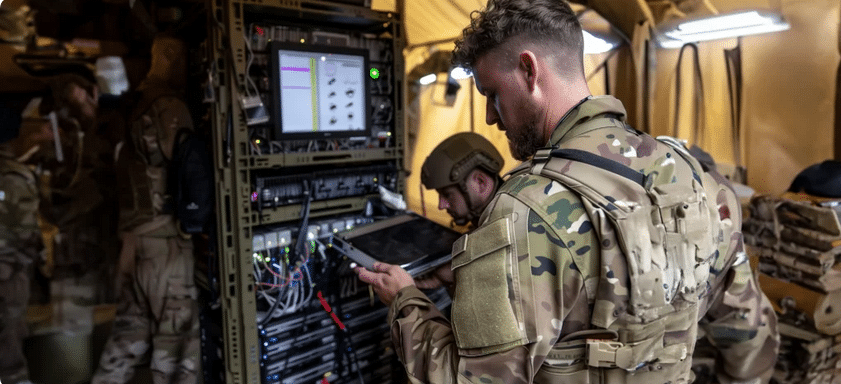
A drone can see. A satellite can detect. But that information still has to be processed fast enough to remain useful. Recent conflicts have revealed a quieter but increasingly important shift: modern militaries now generate enormous volumes of data that must be transported, filtered, processed, and redistributed continuously. In Ukraine, aerial imagery, targeting information, surveillance […]

Naval

Ports Are Back in the Battlespace

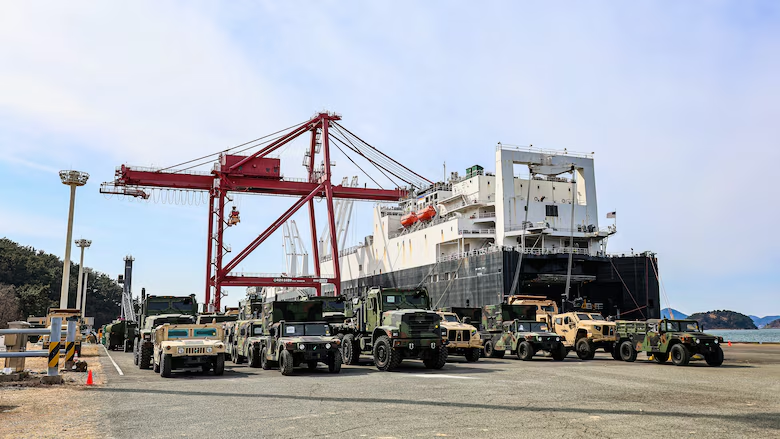
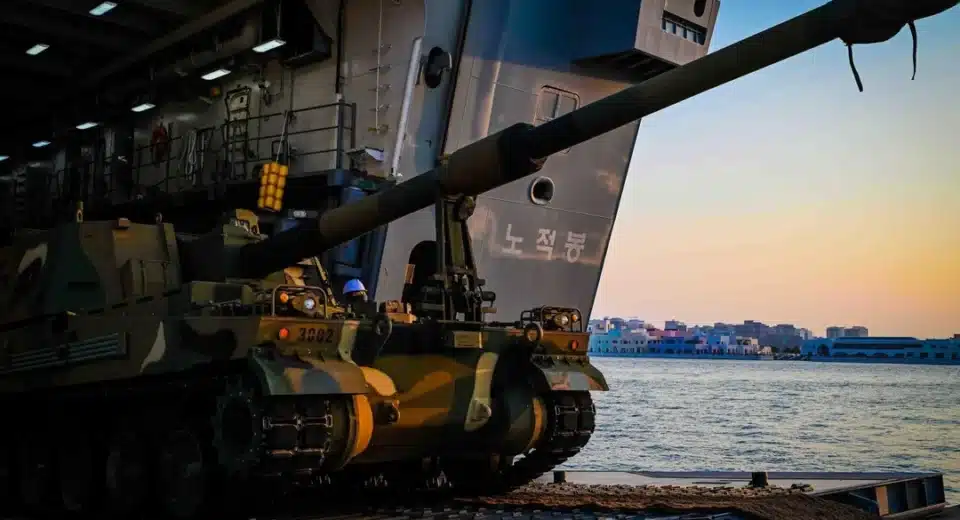
For decades, naval power was largely measured in visible terms: fleet tonnage, missile range, air defense capacity, and the sophistication of combat systems. Ports, by contrast, were mostly seen as protected support infrastructure, positioned behind the front line and largely outside the immediate battlespace. Recent conflicts have fundamentally changed that assumption. In the Black Sea, […]

Portable ultrasound Land

Portable Medical Imaging: What It Really Changes for Battlefield Medicine and Health Crises

In recent conflicts such as Ukraine, as well as in humanitarian and health crises, the core constraint remains the same: diagnosis cannot always wait for evacuation to a hospital facility. Evacuation delays, damaged infrastructure, and overloaded medical systems are pushing care closer to the patient. Medical imaging, long concentrated in hospitals, is now moving into […]

RFA Proteus Naval

Seabed Protection: Sensors and Underwater Drones Are Advancing Faster Than Command Architectures

The race to secure the seabed is no longer confined to submarine warfare. It is becoming a competition to protect the infrastructure that supports the global digital and energy economy. Submarine telecommunications cables, offshore energy networks, electrical interconnectors and seabed data routes now form a critical layer of national infrastructure. According to NATO, more than […]

Griffon 6x6 armored vehicle Land

ORION Versus NATO’s Biggest Exercises: Is France Really Operating in the Same League?

When a military exercise mobilizes tens of thousands of troops, hundreds of armored vehicles, full air components, and logistics corridors stretching across Europe, any comparison with a nationally led format such as ORION can appear uneven from the start. At first glance, the numbers seem decisive. Steadfast Defender has involved roughly 90,000 personnel in its […]

Naval

Autonomous Naval Drones in the South China Sea: The Sensor Competition Takes Shape

In the South China Sea, naval innovation is no longer defined by larger hulls or longer-range missiles. It is increasingly driven by smaller, unmanned platforms designed to patrol, detect, and relay data in contested waters where persistence matters as much as firepower. Across Southeast Asia, this shift is accelerating under the combined pressure of territorial […]

Air

Helium, Xenon, Krypton: The Invisible Dependency Shaping Modern Military Power

Modern military power is typically assessed through its most visible elements—platforms, sensors, and weapons systems. Yet a significant share of that capability depends on far less visible inputs embedded deep within industrial and logistics chains. Specialized industrial gases are among these discreet but structurally critical dependencies. Helium, xenon, krypton, neon, and nitrogen are not military […]