


The SCORPION program is a major strategic effort aimed at modernizing the French Army. Launched in the early 2010s, the program goes far beyond replacing aging vehicles. It represents a deep transformation in the way units operate in the field, integrating advanced technologies and improving coordination among different elements.
Program objectives and underlying philosophy
The SCORPION program is part of a long-term modernization effort. Its goal is to replace several generations of vehicles designed for different operational contexts. Rather than concentrating every function into a single armored vehicle, France has chosen an architecture built around several complementary platforms. This approach makes it possible to specialize roles while maintaining overall coherence.
This gradual transformation is reflected in the step-by-step integration of new equipment, accompanied by changes in operational methods, training, and logistics support. The effectiveness of SCORPION vehicles does not depend solely on their individual performance, but also on how well they are integrated into a broader system.
The three key vehicles: Griffon, Jaguar, and Serval
The core of the program is built around three main vehicles, each designed to meet a specific land combat requirement:
• GRIFFON: It forms the backbone of the force, providing protected transport for troops. It represents the largest share of the fleet renewal effort and significantly improves both protection and mobility for deployed units.
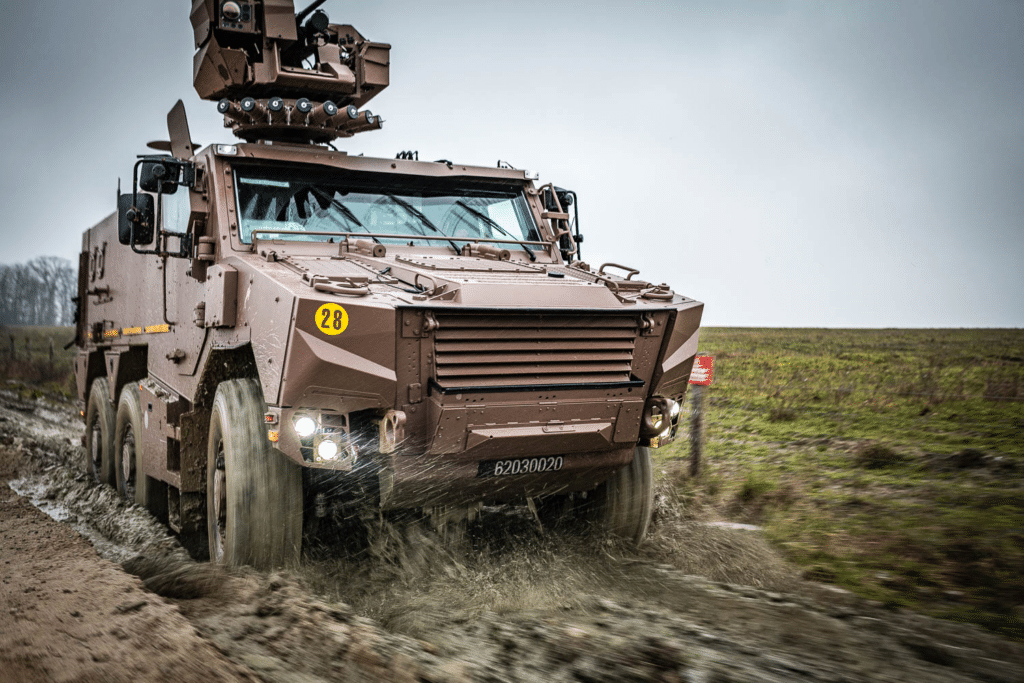
• JAGUAR: This vehicle is designed for reconnaissance and combat, with a higher engagement capability and more advanced sensors. It plays a key role in supporting units and in detecting and engaging threats at range.

• SERVAL: It completes the force structure with a lighter, more mobile platform. It is designed for a wide range of missions, especially in environments where rapid deployment and flexibility are critical.
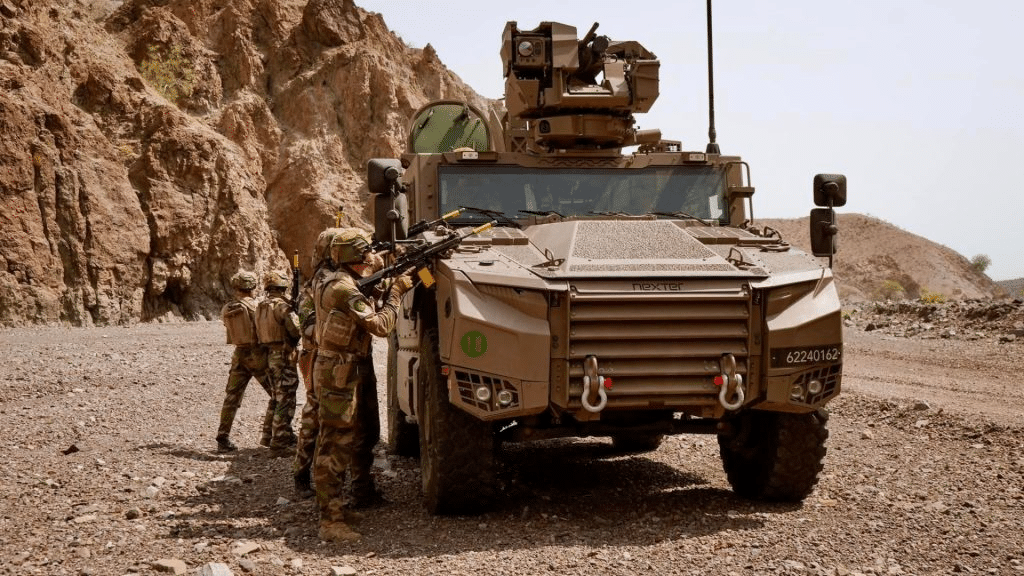
The real value of the program lies in the complementarity of these vehicles. None of them is designed to do everything, but together they provide a coherent response across a broader operational spectrum.
Operational changes and concrete benefits
The gradual introduction of SCORPION vehicles is changing the way units are deployed and employed. Crew protection has improved, while mobility and coordination have been enhanced. However, these gains are not automatic. They depend on vehicle availability, crew training levels, and the ability of the support system to keep pace with deployment requirements.
Recent exercises and industrial communications have highlighted the importance of fleet coherence. That coherence provides a real advantage, but it also requires continuous adaptation to evolving threats and lessons learned from the field.
Program challenges and limitations
Like any program of this scale, SCORPION faces significant constraints:
• Delivery pace: The program’s ramp-up depends on industrial capacity, which determines the pace of deliveries.
• Logistics support: Budgetary resources influence timelines and priorities, which can lead to adjustments or delays. Maintenance and technical availability are critical factors.
• Adaptation to threats: The program must constantly adapt to evolving threats and feedback from operational units.
• Dependence on connectivity: The system’s effectiveness relies on the reliability of communications and information systems.
Current status and future outlook (2025–2026)
In 2025–2026, the SCORPION program has entered a ramp-up phase in which vehicle deliveries are continuing and the transformation of units is already visible. However, this transformation remains gradual, with newer vehicles still coexisting alongside older ones.
The most structurally important dimension of the program lies in its ability to connect vehicles to one another through the Scorpion combat information system. This system makes it possible to share the tactical picture, unit positions, and combat data in real time.
SCORPION is no longer seen solely as a transformation program for the French Army. It is also beginning to emerge as a structuring offering at the European level. After Belgium, and then Luxembourg through the CaMo partnership, other countries are now taking a close look at French armored vehicles. Cyprus is among the most advanced cases, with reported interest in Griffon and Serval vehicles as part of a gradual effort to replace Russian-origin equipment and deepen its strategic ties with Paris. Ireland also appears to be among the countries that could join this dynamic, with discussions reportedly involving the acquisition of Jaguar, Serval, and Griffon vehicles to modernize its armored force. This development gives the program a new dimension: SCORPION is no longer just a national modernization effort, but also a driver of interoperability, industrial influence, and military cooperation in Europe.
The SCORPION program is an ambitious and complex effort that is deeply transforming the French Army. It is an ongoing transformation whose results will depend as much on time as on the ability to sustain and adapt the broader system over the long term. The challenges are significant, but the potential gains in protection, mobility, and coordination are substantial.
By overcoming these obstacles, France will significantly strengthen its army’s ability to meet tomorrow’s security challenges and maintain a lasting tactical advantage. SCORPION is therefore an essential strategic investment.