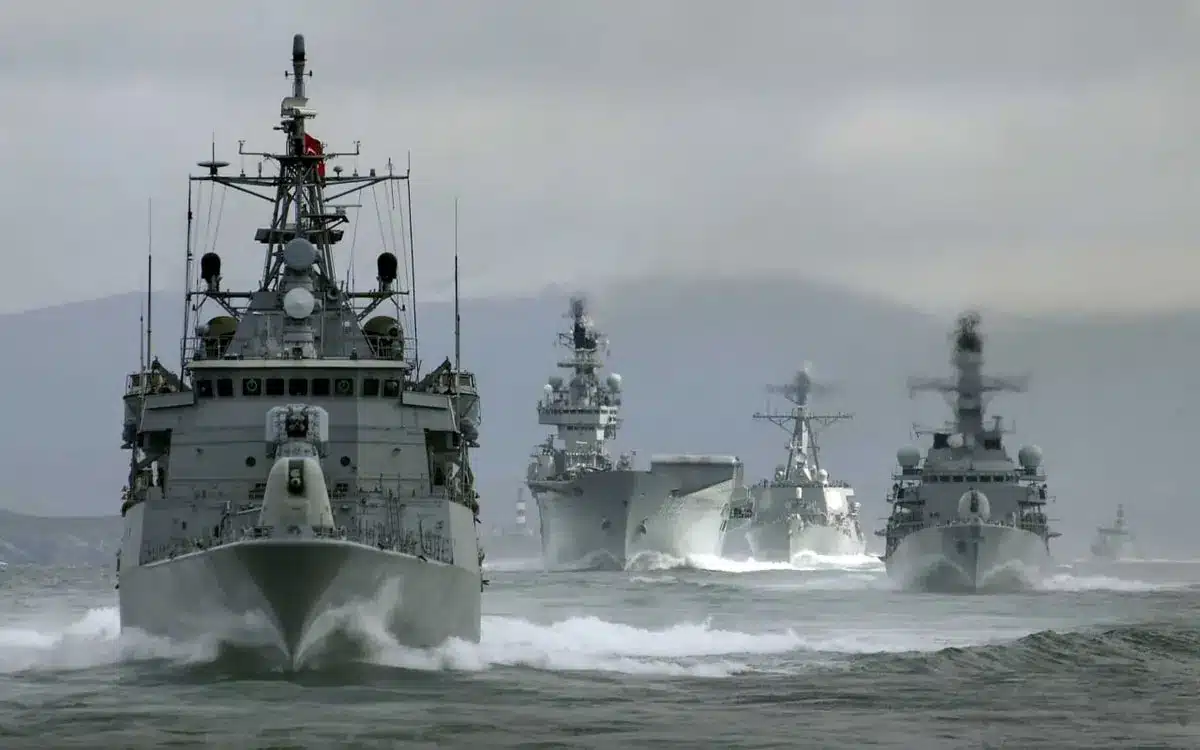


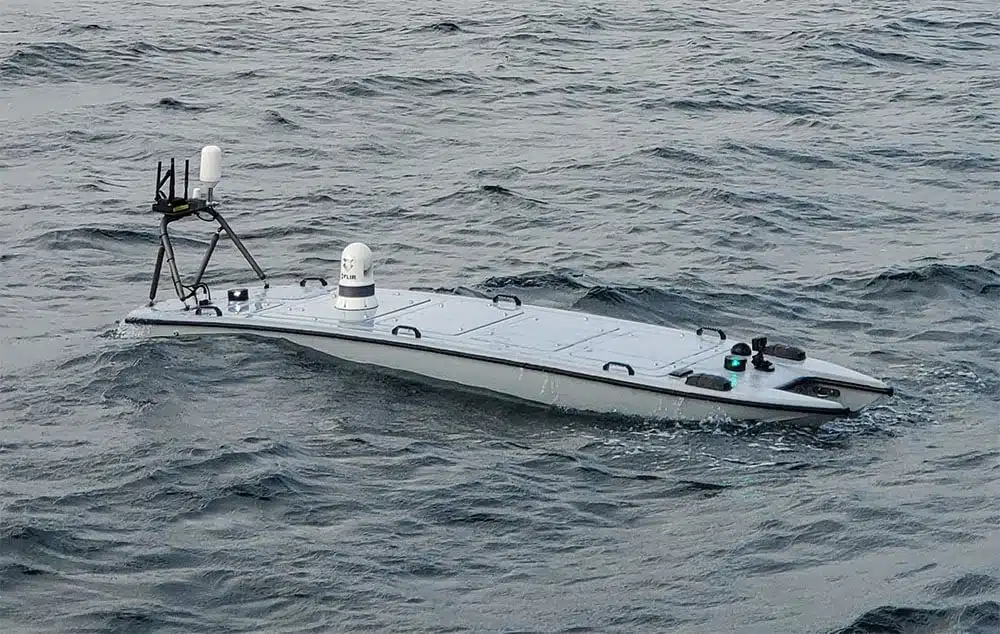
In the South China Sea, naval innovation is no longer defined by larger hulls or longer-range missiles. It is increasingly driven by smaller, unmanned platforms designed to patrol, detect, and relay data in contested waters where persistence matters as much as firepower. Across Southeast Asia, this shift is accelerating under the combined pressure of territorial disputes, dense commercial traffic, and the challenge of monitoring vast maritime spaces.
Singapore offers one of the clearest signals. On October 21, 2025, it launched its first Multi-Role Combat Vessel (MRCV), a platform explicitly designed to operate alongside unmanned surface, aerial, and underwater systems. Six ships are planned, built by ST Engineering under a 2023 contract.

This is more than a fleet renewal. It reflects a change in naval architecture: the crewed ship becomes a command node for distributed sensors. In this model, unmanned platforms are not adjuncts they extend the ship’s reach, expanding the detection envelope without exposing crews.
The same logic is reshaping mine warfare. In May 2025, Singapore moved to acquire unmanned mine countermeasure systems, including surface and underwater platforms, to replace its Bedok-class vessels in service since 1995. Construction of the first unmanned surface vessel began in November 2025, with delivery expected in 2027.
Scaling sensors in a saturated environment
The operational logic is straightforward. The South China Sea combines long distances, constrained waterways, complex navigation, and heavy civilian traffic. In such conditions, awareness depends less on a handful of high-end platforms than on the ability to distribute sensors across the battlespace.
Recent exercises confirm that this approach is moving beyond experimentation. Balikatan 2026, involving over 17,000 personnel including around 10,000 U.S. troops, integrated unmanned systems, live-fire events, and coastal defense scenarios near the Spratly Islands.

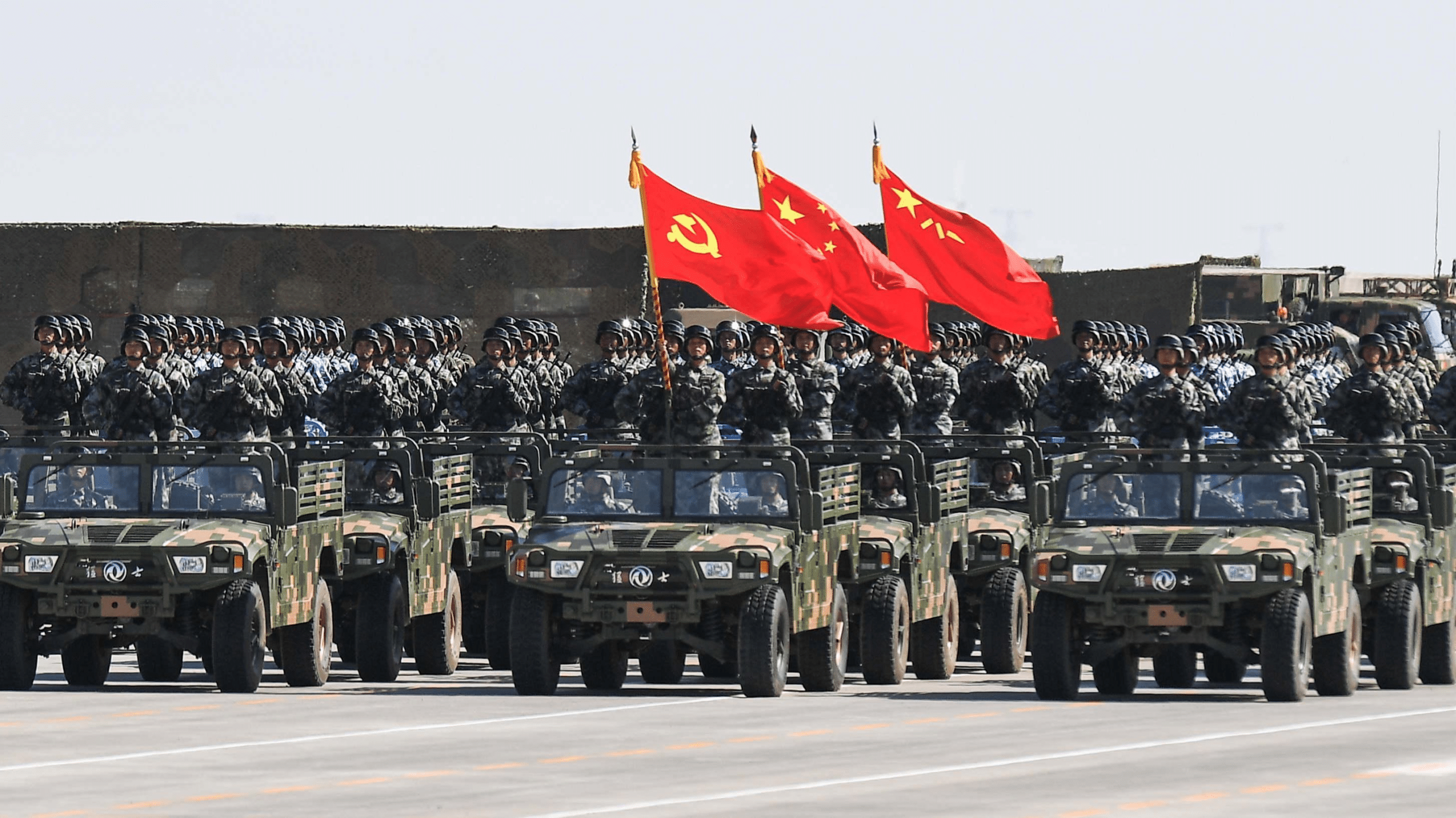
This evolution is unfolding alongside rising tensions. On April 24, 2026, China conducted live-fire drills east of Luzon, combining naval and air maneuvers with sustained operations at sea. In this context, unmanned systems offer a way to maintain presence, track activity, and manage escalation risk without committing crewed ships to close-contact situations.
The U.S. Navy is scaling the concept. By 2030, it plans to field more than 30 medium unmanned surface vessels in the Indo-Pacific, alongside thousands of smaller platforms up from only a handful today.
The constraint: networks over platforms
The limiting factor is not the platform itself, but the system behind it. An unmanned vessel only delivers value if it remains connected, identifiable within the command chain, and sustainable over time. In contested environments, data links are vulnerable to jamming, interception, and saturation.
Autonomy reduces crew exposure, not system complexity. These platforms still depend on technicians, logistics, software updates, and robust identification processes requirements that become more demanding as fleets scale.
The environment further complicates matters. The South China Sea is a dense mix of commercial shipping, fishing fleets, coast guards, maritime militias, and naval units. Detection alone is insufficient. Forces must identify contacts, interpret behavior, assess intent, and decide on a response tasks that remain difficult to automate without increasing the risk of miscalculation.

Singapore’s MRCV concept reflects this reality. Designed as a mothership for unmanned systems, it does not replace human command. It relocates it away from immediate risk while enhancing it with a wider sensor nettighten it further for DIR publication (more punch, less repetition)work.
A structural shift, not a silver bullet
Autonomous naval drones are not, on their own, reshaping the military balance in the South China Sea. But they are already changing how presence is maintained and how maritime space is monitored.
Their impact will depend less on fleet size than on integration: how effectively they are networked, sustained, and embedded into operational concepts. Key indicators to watch include Singapore’s MRCV sea trials, the rollout of unmanned mine countermeasure systems from 2027, and the integration of these platforms into multinational operations.
The shift is gradual but consequential. In the South China Sea, competition is no longer defined only by ships and missiles. It is increasingly a competition of sensors.