


In a time when control of information often determines the outcome of military operations, the electromagnetic spectrum has become a key domain of contest where power is asserted without a single round fired. From disabling communications to misleading targeting systems, electronic warfare has emerged not as a support function but as a strategic weapon of dominance.
What is electronic warfare
Electronic warfare is the military application of the electromagnetic spectrum to detect, disrupt, and safeguard electronic systems. It is divided into three fundamental components that define its doctrine:
- Electronic support focuses on signal interception and geolocation
- Electronic attack uses energy to deceive, jam, or neutralize threats
- Electronic protection ensures resilience against adversary EW efforts
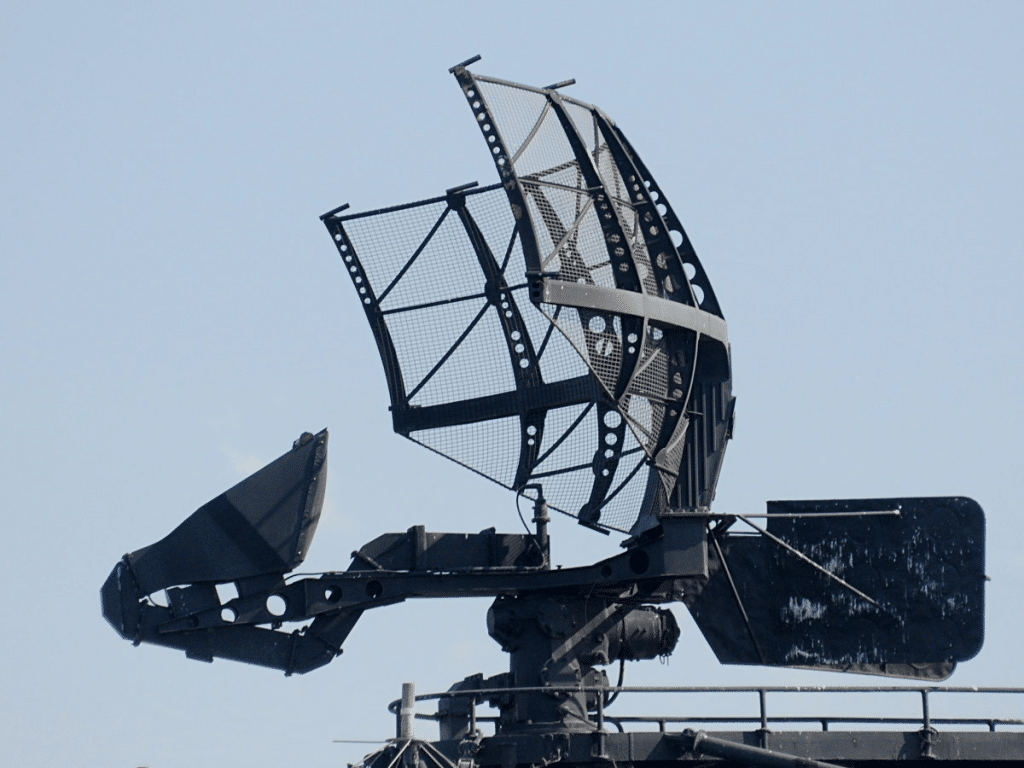
Each function contributes to situational awareness or to denying the adversary access to vital systems and frequencies, allowing a force to control tempo and decision cycles in highly contested environments.
Electronic support, detect to act
Electronic Support enables military forces to intercept, classify, and track emissions across the spectrum. It involves detecting radar signatures, intercepting radio traffic, and geolocating sources of enemy transmissions. Strategic platforms like the RC-135 Rivet Joint provide high-value ES capabilities, complemented by UAVs and tactical sensors in real-time EW environments.
Electronic attack, jam to control
Electronic Attack involves the deliberate use of electromagnetic energy to deny, disrupt, or spoof enemy systems. This includes radar jamming, which blinds air defense networks; GPS spoofing, to mislead weapons or navigation; and theoretically, high-power electromagnetic pulses aimed at disabling unshielded electronics though such capabilities remain largely experimental and are not yet standard in operational EW systems.
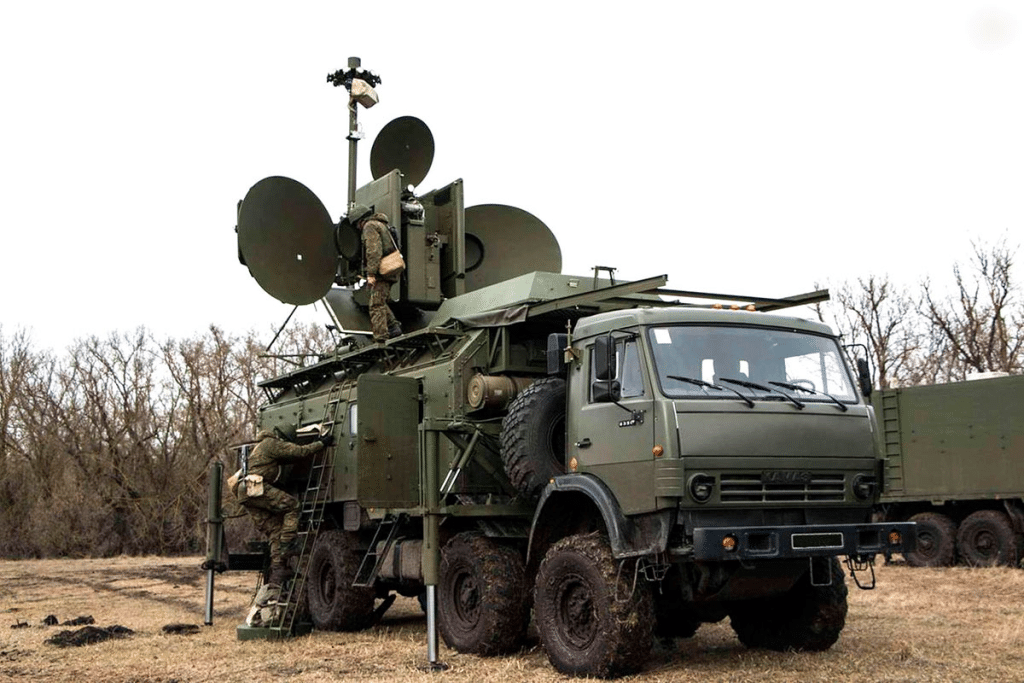
Examples include Russia’s Krasukha-4 system, which targets air surveillance radars; the US Navy’s EA-18G Growler, equipped with advanced jamming pods; and China’s reported exploration of 6G-based electromagnetic deception concepts, which could one day generate advanced radar decoys, though these remain unproven in real combat conditions.
Electronic protection, survive the spectrum
Electronic Protection involves the defense of friendly systems from interference. It relies on tools like frequency hopping to evade jammers, encrypted channels to preserve integrity, ECCM protocols to defeat spoofing, and AI-driven spectrum monitoring to detect and adapt to threats.
Platforms like the Rafale’s SPECTRA suite combine passive and active defenses, using decoys, emission control, and real-time electronic counter-countermeasures to maintain capability even in a hostile EW environment.
EW in military doctrine
Across modern armed forces, electronic warfare is fully integrated into operational planning. From the suppression of enemy air defenses to large-scale deception campaigns, NATO, Russia, and China all employ electronic attacks in the early phases of conflict to shape the battlespace.
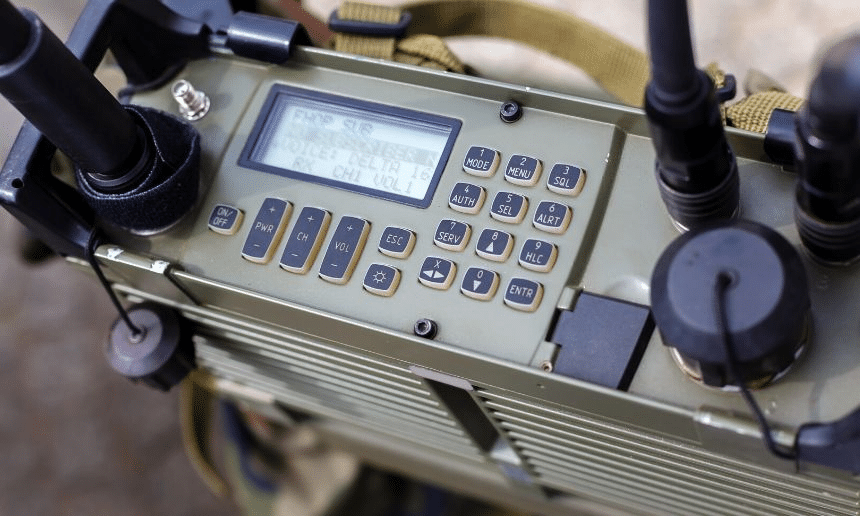
Israel routinely combines jamming with precision airstrikes to bypass dense air defense networks. Doctrine now recognizes EW as essential to survivability, tempo, and victory. NATO even operates a Centre of Excellence for Electromagnetic Operations based in Belgium, emphasizing the growing institutional focus on this domain.
Electronic warfare defines the future of multidomain operations. The ability to detect faster, deceive more convincingly, and protect systems under pressure is now as vital as firepower or maneuver. As militaries invest in cognitive EW, AI-based decision loops, and smaller distributed jamming platforms, the spectrum itself becomes the first place where wars are tested and often decided.