


Private Military Companies (PMCs) are often, wrongly, conflated with mercenary, even though they operate under distinct legal, political, and operational logic. Before assessing their legitimacy or effectiveness, it is therefore essential to clarify what these two concepts actually encompass.
The difference between PMCs and traditional mercenaries is subtle but important. Mercenaries are individual combatants hired directly by governments or rebel groups, without any formal legal framework. In contrast, PMCs operate under a contract signed with a company that has legal status, which gives them an appearance of legal legitimacy, although their status remains controversial under international law.
However, this distinction is often blurred in practice. Some PMCs act covertly on behalf of states that refuse to take responsibility for the use of violence. This raises ethical and legal questions about the accountability and transparency of their actions.
Equipment and armaments
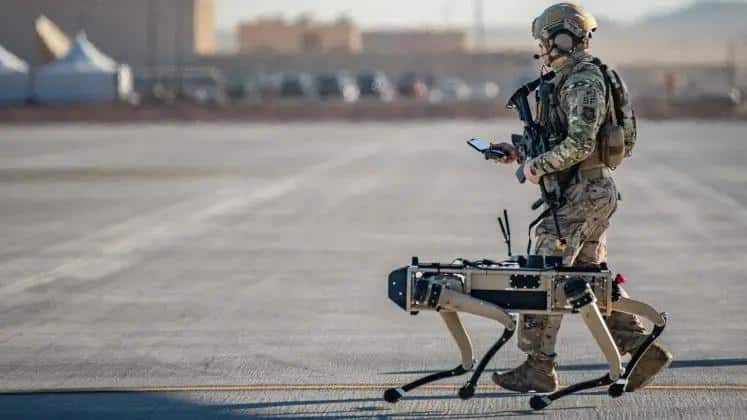
PMCs often have sophisticated military equipment at their disposal, ranging from small arms to armored vehicles and attack helicopters. For example, the Wagner Group is known for using heavy equipment, including tanks and air defense systems.
The armament of PMCs varies depending on their contracts and clients. Some companies, such as Executive Outcomes, have used heavy weapons supplied by the governments they worked with. Others, such as Blackwater, have acquired their own arsenal, often consisting of American weapons.

The most well-known examples of weaponry include light armored vehicles, surveillance and attack drones, and secure communication systems. This equipment enables PMSCs to carry out complex operations and support their clients effectively.
The role of PMCs today: strategic armed forces or covert warfare?
The role of PMSCs today is complex and multifaceted. They are often seen as the strategic armed wing of states, enabling them to carry out operations without directly engaging their own troops. This is particularly true in areas where economic and strategic interests are at stake, such as Africa and the Middle East.
For example, the Wagner Group has been used by the Russian government to support its allies in Syria and Libya, as well as to secure natural resources in the Central African Republic. Similarly, US PMCs have been employed in Iraq and Afghanistan to train local forces and provide logistical support.
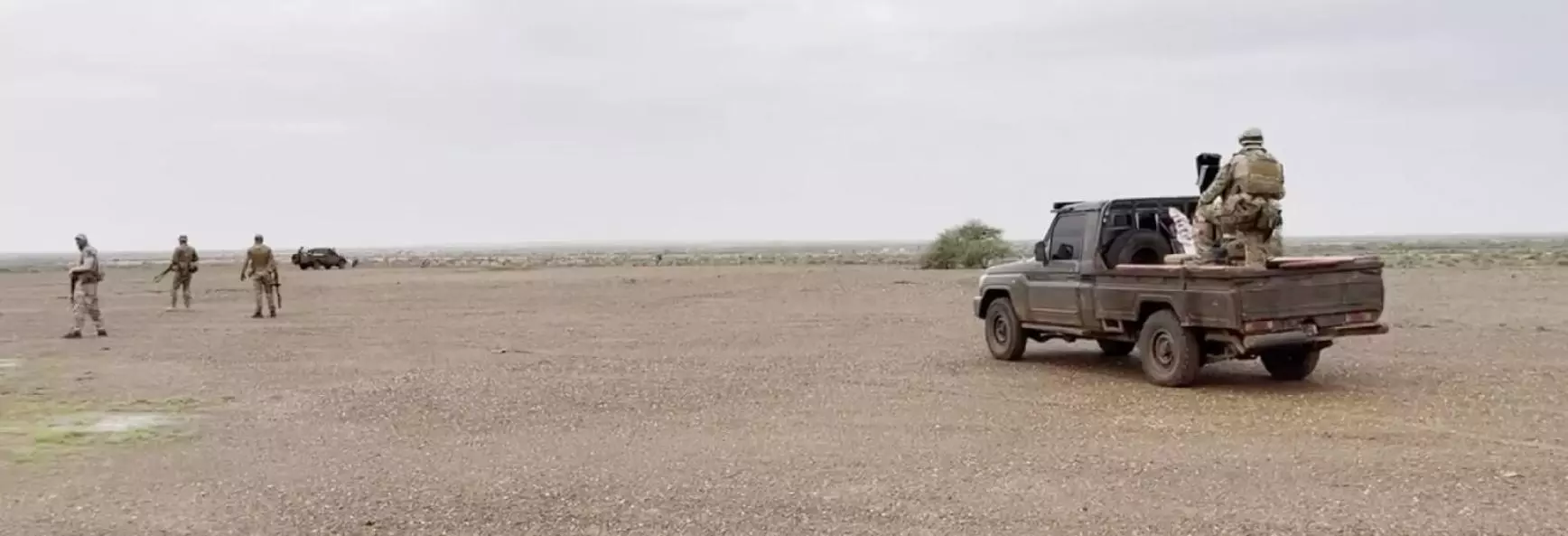
Some PMCs operate with contractual autonomy, but their activities are often aligned, directly or indirectly, with the interests of states. This raises questions about national sovereignty and the impact of PMCs on political stability.
Can we talk about a “discreet war”? In a way, yes. PMCs allow states to conduct operations without attracting international attention or committing their own troops. This can reduce human and political losses, but it also raises ethical and legal questions about accountability and transparency.
Private military companies play a crucial role in contemporary conflicts. Their historical evolution, current characteristics, and impact on global security raise important questions about the future of war and peace. Their role is complex and controversial, requiring strict international regulation to ensure transparency and accountability.
Article 1: Private Military Companies (PMCs): key players in modern warfare