

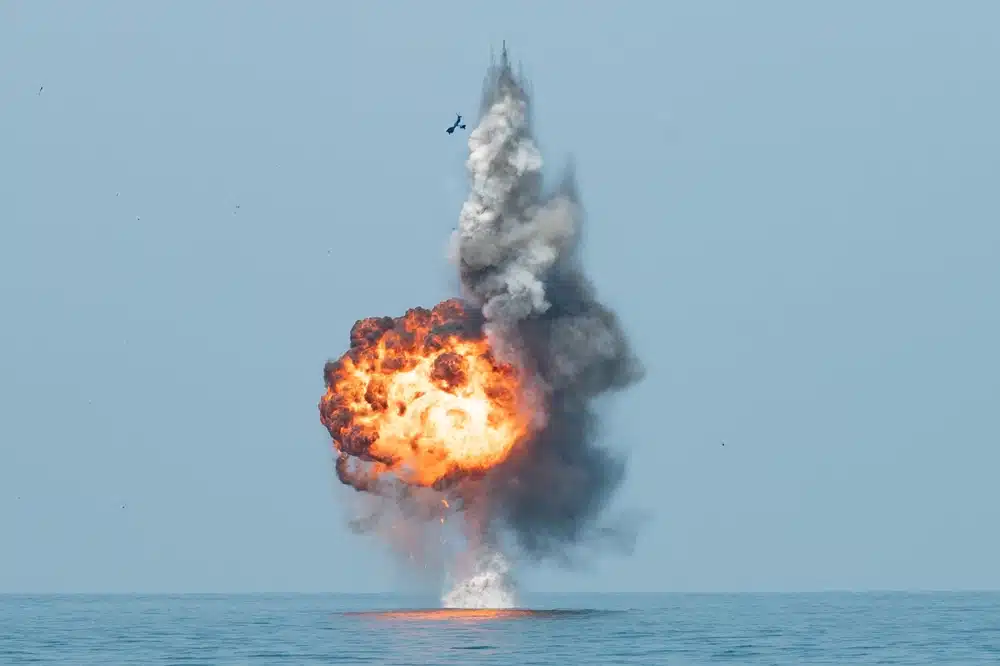
Naval mines are often described as simple weapons. In practice, they remain one of the most effective tools for denying access to ports, disrupting trade routes, and slowing naval operations. Designed to control maritime access and constrain movement, mines are particularly effective in confined waters, where even a small number of devices can create a disproportionate threat.
What is changing today is not the weapon itself, but the context in which it is used. In a global system that depends heavily on maritime flows, mines can impose logistical costs, delay military operations, and generate uncertainty without requiring traditional naval superiority.
Maritime chokepoints: where the strategic effect is immediate
The strategic value of naval mines is greatest in maritime chokepoints. In these spaces, traffic is dense, routes are predictable, and alternatives are limited.
The Bab el-Mandeb Strait illustrates this reality. Located between the Red Sea and the Gulf of Aden, it is a critical passage for global trade. The International Maritime Organization has closely monitored the situation in the area and has recorded several major incidents affecting commercial shipping in 2024 and 2025, underscoring the deterioration of maritime security in this corridor.

In this type of environment, naval mines do not need to be deployed on a large scale to produce effects. The mere perception of risk is enough to alter behavior: ships slow down, routes are adjusted, and insurance premiums rise.
This logic marks an important shift: the objective is not necessarily to close a passage outright, but to make its use more costly, slower, and more uncertain.
The Strait of Hormuz: a current and highly sensitive case
This logic is even more visible in the Strait of Hormuz, one of the most sensitive maritime passages in the world.
According to the United States Energy Information Administration, the strait is a major corridor for global energy flows, with limited alternatives in the event of disruption.
Recent developments confirm the sensitivity of this area. In early 2026, the International Maritime Organization issued several communications regarding the situation in the strait, a sign of heightened concern over risks to navigation.

In this context, naval mines represent a credible tool. Limited mining would not need to block the strait completely to produce strategic effects. The uncertainty created, combined with inspection operations, mine clearance efforts, and route diversions, would be enough to disrupt energy markets and logistics chains.
The Joint Maritime Information Center had already reported high levels of disruption in the region in 2025, including interference affecting navigation, illustrating that the degradation of transit conditions can itself serve as a strategic lever.
In waterways such as Hormuz or Bab el-Mandeb, mines can therefore turn an open corridor into a zone of persistent risk.
Infrastructure Hubs: An Underestimated Vulnerability
Beyond chokepoints, mine warfare is particularly effective around port and energy hubs.
The Gulf of Guinea provides a clear example. Public narratives focus on piracy and trafficking, but regional cooperation mechanisms reveal a more structural concern: the security of maritime access.
The European External Action Service describes Exercise Grand Africa NEMO as a framework intended to strengthen regional coordination against maritime threats in the Gulf of Guinea.
In this context, mine warfare remains an underexplored but strategic angle. A small number of devices placed in port approaches or near offshore terminals could be enough to interrupt traffic and disrupt exports.
The result is a strategic asymmetry: low deployment costs, but high costs to restore access.
The Emergence of New Ecosystems: Türkiye and China
Some powers are not merely exposed to this vulnerability. They are developing adapted models in response.
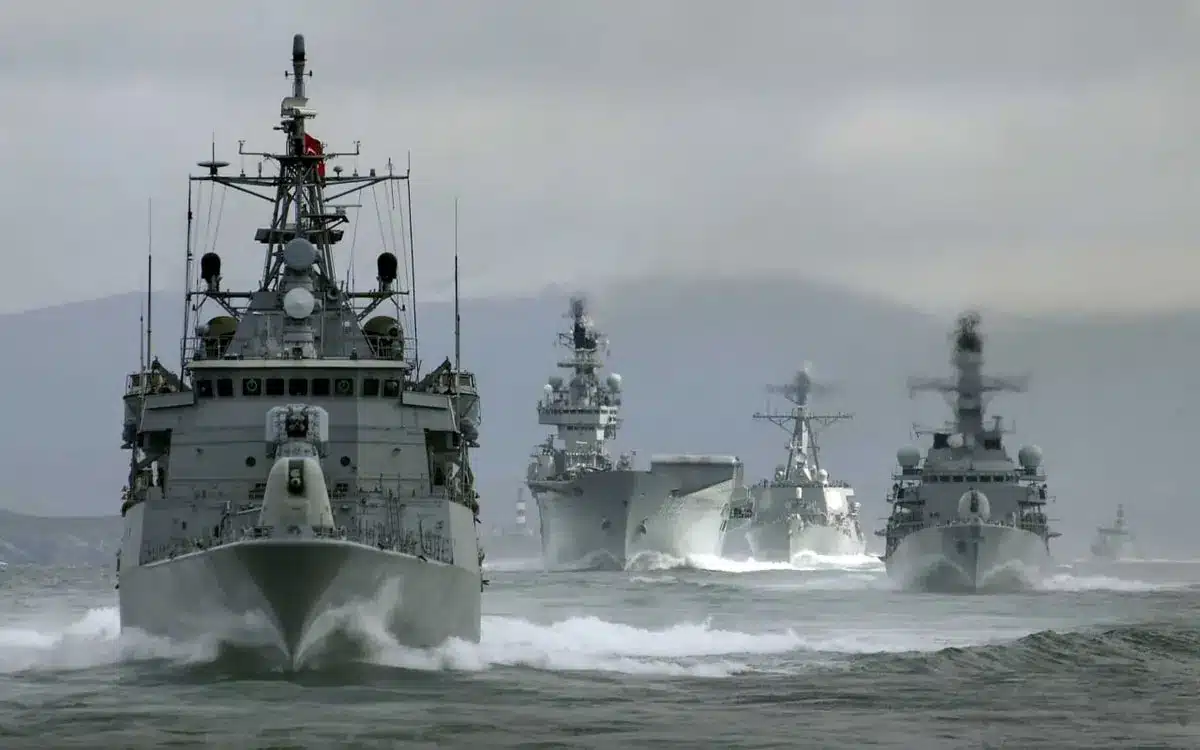
Türkiye is a particularly relevant case. Its position between the Black Sea, the Mediterranean, and a series of strategic straits makes it a state directly concerned with the control of maritime access.
On the industrial side, Havelsan states that its Sancar surface drone is capable of carrying out mine countermeasure missions and integrating into interoperable naval combat architectures.

At the same time, concepts for dedicated mine warfare mother ships presented in the specialized press point to a shift toward integrated systems combining drones and command platforms.
In practical terms, Türkiye is not simply developing capabilities. It is building a coherent model in which geography, doctrine, and industry converge.
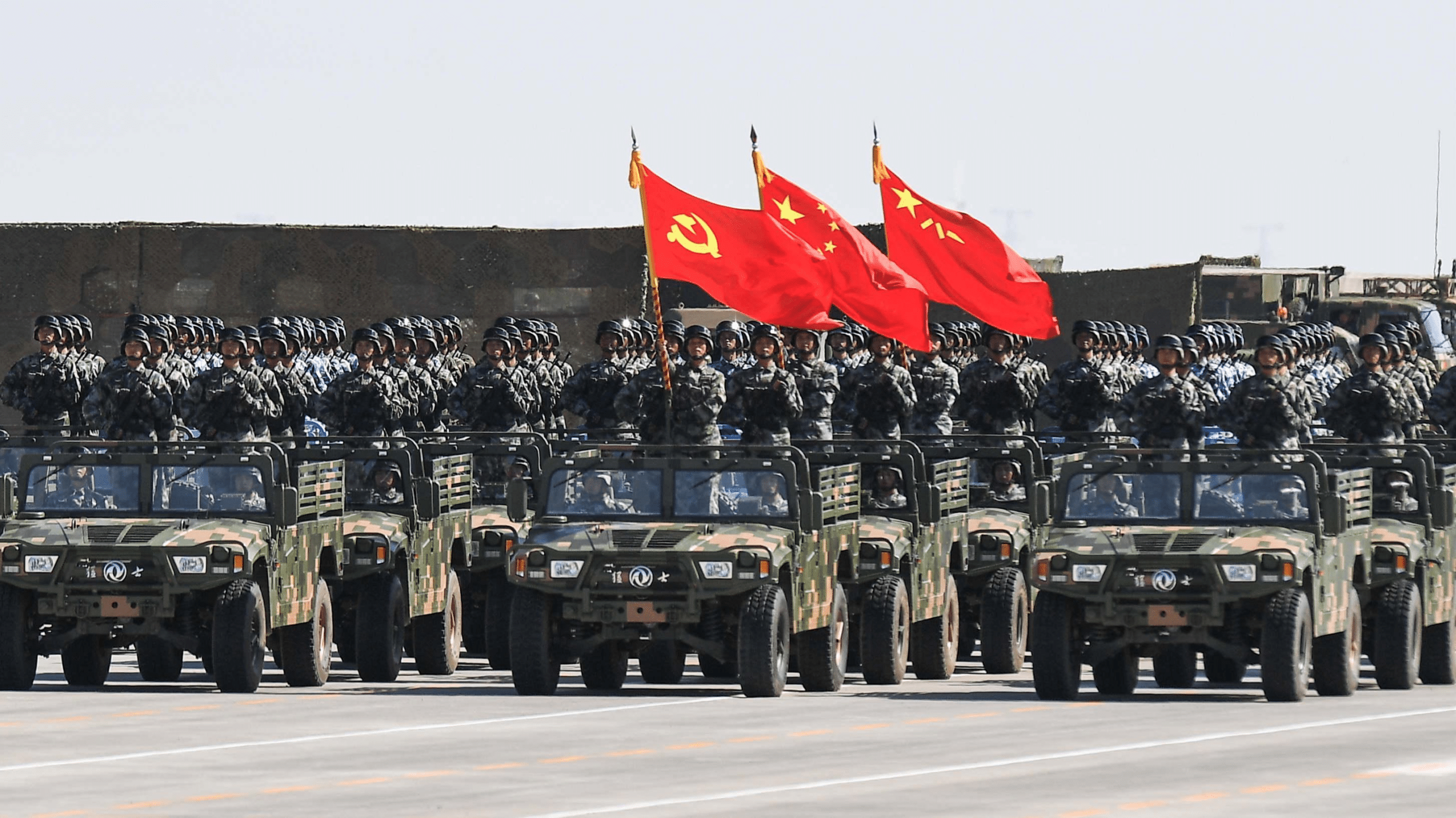
China follows a different path. A report from the Naval War College states that the Chinese navy operates around 60 platforms dedicated to mine countermeasures, including drones and remotely operated systems capable of mine neutralization.
The issue goes beyond simple inventory. Mine warfare is part of a broader architecture aimed at controlling maritime access and preserving freedom of maneuver in contested waters.
Mine warfare is often viewed as a legacy capability. In reality, it is once again becoming a central element of maritime competition.
From the Red Sea to the Strait of Hormuz, and from the Gulf of Guinea to the European straits, one constant stands out: the ability to disrupt access matters as much as the ability to control it.
Naval mines remain one of the few tools capable of rapidly turning an open maritime space into a contested zone, with limited means and uncertain attribution.
In a world that depends on maritime flows, that reality gives mine warfare growing strategic importance.
Article 1: Who Owns the Mine Warfare Kill Chain?