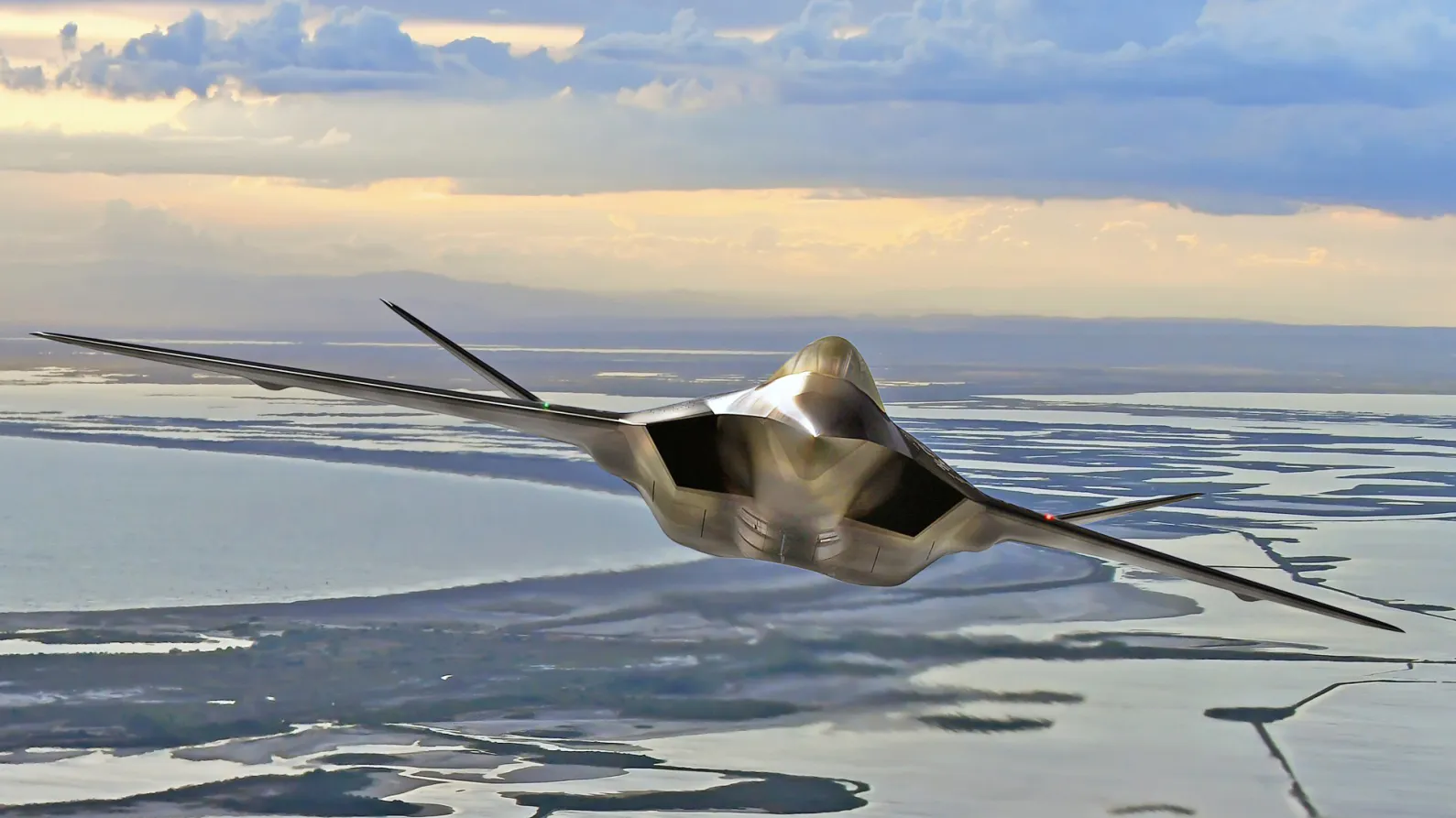



A multi-role fighter aircraft is designed to carry out various types of missions, air superiority, close air support, reconnaissance, strike, and even electronic warfare within a single cell. Unlike specialized jets built solely for interception or bombing, multi-role fighters aim to deliver tactical flexibility with a single platform.
The term “multi-role” gained prominence in the late Cold War, but the philosophy dates back to WWII.
While World War II platforms like the Mosquito and P-47 demonstrated a degree of operational versatility, they weren’t multi-role in the modern doctrinal sense. Today’s multi-role fighters are digitally engineered to switch missions dynamically mid-flight, integrating sensors, data links, and modular payloads into a single combat system an evolution that only took shape during the late Cold War.
From specialization to versatility
- Cold War origins
During the 1950s–70s, most aircraft were still single-role: interceptors (like the MiG-21), bombers (like the F-105), or reconnaissance planes. This led to complex fleets, high maintenance demands, and limited mission adaptability.

The F-4 Phantom II became one of the first truly multi role platforms, used by both the USAF and US Navy for strike, interception, and recon in Vietnam.
- Post-Cold War rationalization
Budget constraints and changing conflict types,urban warfare, asymmetric threats pushed air forces toward fleet consolidation. Enter platforms like the F-16, Gripen, and Rafale, each capable of switching missions dynamically.

By the 2000s, the idea of owning a multi-role platform became doctrinal embedded: flexible, interoperable and cost-effective.
Why multi role matters: doctrinal advantages
Strategic & operational flexibility: Multi role fighters can switch from air-to-air to air-to-ground in a single sortie. In conflicts like Libya (2011), Rafales would simultaneously provide air cover, perform ground strikes, and collect ISR data (French MOD).
Cost-effectiveness: Operating one type of jet for many missions reduces:
- Training pipelines
- Spare parts logistics
- Maintenance complexity
This has become key in air forces with limited budgets or fewer pilots (e.g., Eastern Europe, Gulf nations).
Interoperability: Multi role aircraft like the F-35 act as force multipliers in joint operations, sharing sensor data across NATO formations in real-time (Lockheed Martin).
Core capabilities of the modern multi-role jet
Capability
Description
Sensor fusion
Radar, IRST, ESM integrated into a single interface; LIDAR remains marginal or even absent on current fighter aircraft
Networked warfare
Communication & targeting via Link 16, MADL or national data links
Modular payloads
Air-to-air, air-to-ground, EW or recon pods interchangeable by mission
Swing-role design
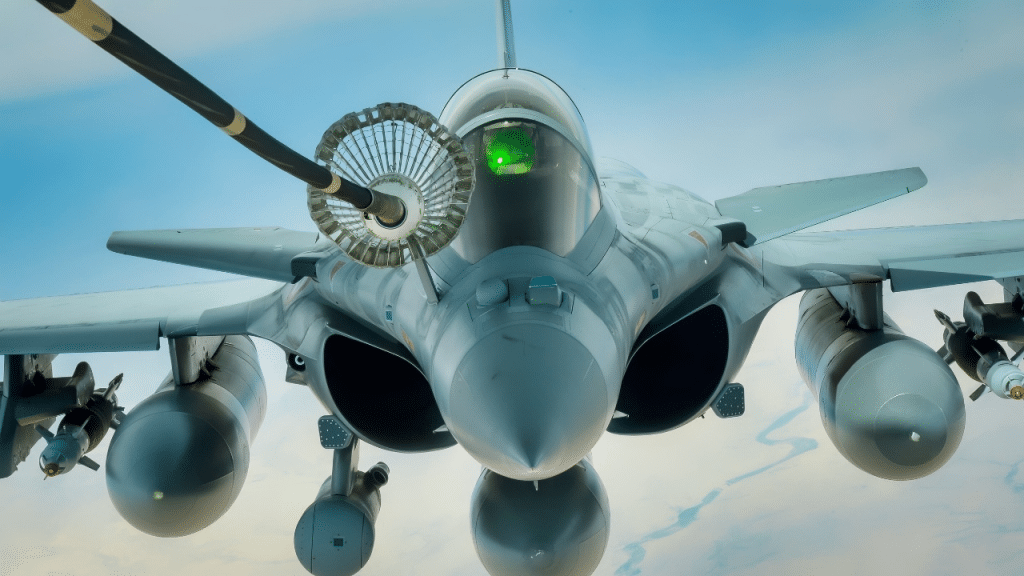
Dynamic switching between roles mid-flight (Gripen, Typhoon, Rafale)
Multi-role does not just mean “can drop bombs and shoot missiles”, it means the aircraft is digitally built for multi-domain coordination, rapid reassignment, and real-time data sharing.
Limitations of the multi role concept
Master of none? By trying to do everything, a multi-role aircraft risks not excelling in any category. A Su-35 or F-15EX could outperform multi-role aircraft in pure air combat, while heavy bombers such as the F-15E remain more effective in long-range strikes.
Maintenance overload Advanced avionics, stealth coatings, EW suites and precision munitions all raise complexity. Sustaining a full-spectrum multi role capability can be challenging for nations with limited defense industrial bases. This is evident in several air forces across Africa and Southeast Asia that are exploring aircraft like the FA-50, JF-17, or even legacy F-16s, platforms that require significant logistics, training infrastructure, and maintenance ecosystems to operate effectively.
Strategic over-reliance Some air forces depend heavily on a single multi-role platform, which creates vulnerability if that type is hit by widespread technical or readiness problems, as seen with the F-35’s engine and availability issues highlighted from 2023 onward. Recent GAO reports on low F-35 operational readiness rates and delays in upgrades illustrate how excessive dependence on a single multi-role type can translate into strategic risk.
The future: from multi-role to “family of systems”
The next evolution is less about designing an even more capable single fighter and more about turning that fighter into the core node of a wider family of systems. AI-assisted cockpits help pilots manage ISR, weapons and EW in saturated environments. Collaborative Combat Aircraft and “loyal wingmen” add mass and risk-sharing, as seen in the U.S. CCA program, Europe’s FCAS remote carriers and Japan’s F-X/GCAP teaming concepts. At the same time, combat-cloud architectures – from JADC2 to European equivalents – treat fighters as airborne nodes in a distributed C2 network rather than standalone shooters. Stealthy airframes with modular payload options will still matter, but the real “multi-role” standard is shifting from the aircraft itself to the network it plugs into.
Multi-role fighters have become the strategic default for modern air forces. By combining adaptability, interoperability and lethality in one cell, they remain the centerpiece of most Western air fleets. Their dominance will not fade but be sustained by their ability to evolve – taking on new roles as command nodes, sensor hubs and enablers inside increasingly autonomous and hyper connected combat networks.