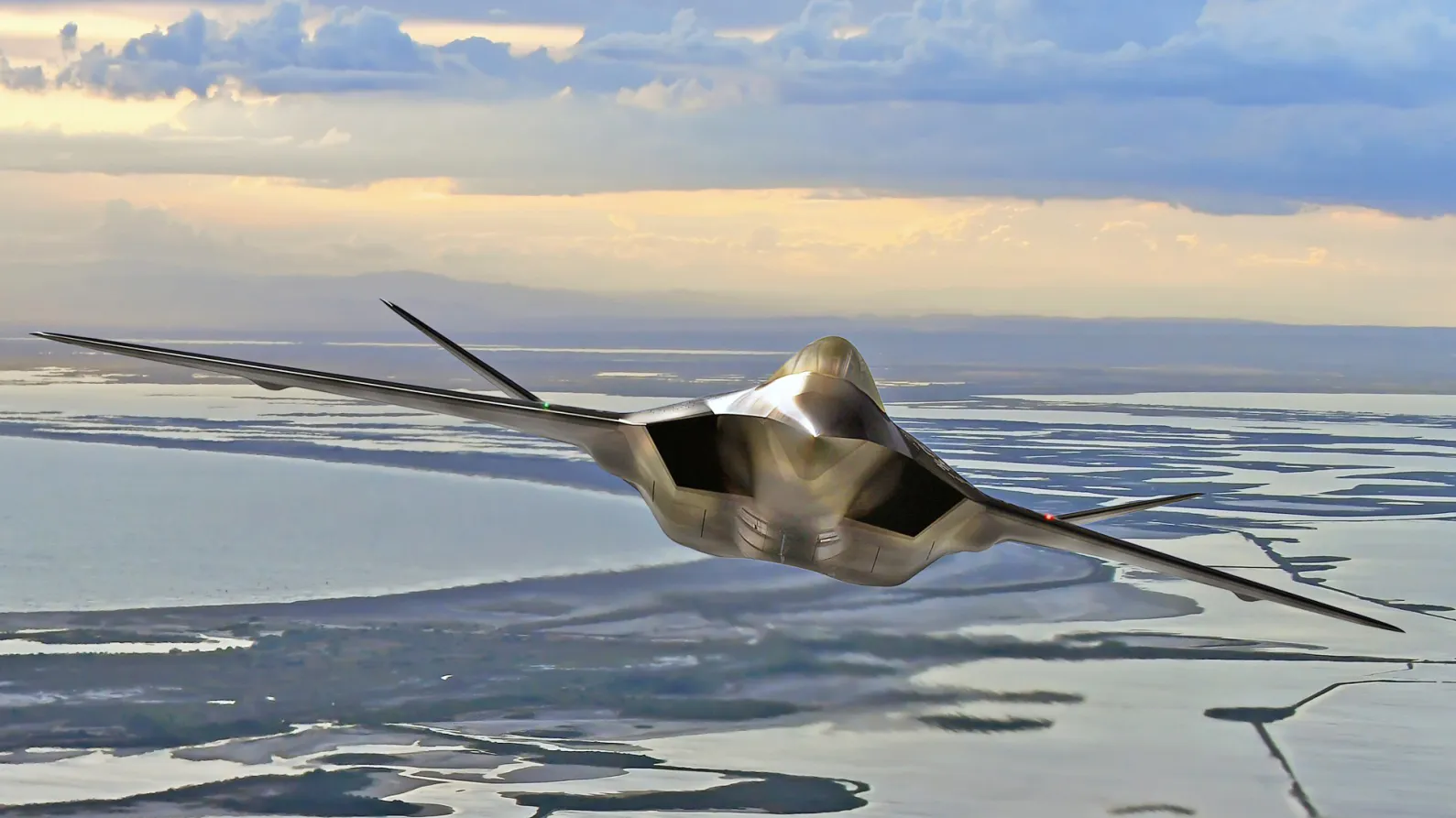


GCAP (the Global Combat Air Programme) is the trilateral Japan/United Kingdom/Italy effort to field a next-generation fighter with an intended entry into service around 2035.
Within that framework, Japan has set out explicit sovereignty requirements, timely upgrades, domestic sustainment, and freedom to modify, and has also secured governance positions that give it meaningful influence over how the program is executed.
For context, Japan’s next-generation fighter effort, intended to succeed the F-2, began in 2020, with a target timeline also centered on around 2035. In December 2023, the three defense ministers signed in Tokyo the convention establishing the GCAP International Government Organisation (GIGO), responsible for intergovernmental coordination of the program.
Official sovereignty-driven requirements
Japan holds the first executive leadership of the intergovernmental organization (GIGO), while the organization is headquartered in the United Kingdom, a structure that points to shared governance, but with significant Japanese levers from the outset.

Japan’s Ministry of Defense has publicly set out three core requirements:
- Enable “unprecedented ways of warfare,”
- Be “upgraded in a timely manner,”
- Be supported by a “domestic maintenance base” to ensure high availability.
The same official framing explicitly references “freedom of modification” and interoperability.
In practical terms, Tokyo is anchoring GCAP in a logic where performance alone is not sufficient: operational value also depends on the ability to modify, update, and sustain the aircraft without critical external dependencies.
In parallel, GCAP has begun to formalize industrial pillars where dependence and autonomy are typically shaped:
- Electronics / sensing & communications: Leonardo announced the creation of the GCAP Electronics Evolution (G2E) consortium to deliver ISANKE & ICS, described as the program’s sensing-and-communications core.
- Propulsion: Avio Aero described a propulsion consortium bringing together Rolls-Royce, Avio Aero, and IHI, structured to progress in line with the GCAP schedule.
Together, these moves align with Japan’s posture: securing long-term ability to sustain and evolve the aircraft (maintenance, industrial capacity, technical control), not merely assemble it.
Export as an explicit industrial and economic parameter
On 26 March 2024, Tokyo decided to authorize, under strict conditions, the export of the future GCAP fighter to third countries: sales limited to states that have a defense equipment transfer agreement with Japan, prohibition of transfers to countries involved in active conflict, and Cabinet approval on a case-by-case basis.
Without reducing GCAP to a commercial project, this controlled opening to exports expands the potential volume base, an important factor for a next-generation fighter program where fixed costs (R&D, industrialization, sustainment) are exceptionally high.
The fact that this export policy shift required internal political negotiation underlines a key point: the industrial lever tied to exportability has become a structuring parameter of the program.
Japan as a schedule “driver”
Tokyo has also expressed concern about GCAP’s ability to hold the 2035 timeline, citing what appears to be an insufficient sense of urgency among its European partners.
Two stopgap contingencies have been discussed: upgrading the existing F-2 fleet or procuring additional F-35s.

As a result, Japan positions itself as a tempo-setter, pushing schedule discipline and execution requirements consistent with its priority of availability around 2035. The emphasis on timely upgrades, a domestic maintenance base, and freedom of modification points to a deliberate posture: maintain execution pressure while securing transition options should the program slip.

The comparison with FCAS/SCAF is instructive. The FCAS experience shows that when workshare, integration authority, and control of critical subsystems become sources of friction, the program trajectory can harden, not due to a lack of technological ambition, but because governance and sovereignty fail to stay aligned.
GCAP appears to be pursuing a more “preventive” approach: placing requirements such as timely upgrades, domestic sustainment, and freedom of modification at the center from the outset, and embedding them in a dedicated governance architecture (the GIGO).
In that sense, GCAP and SCAF converge on the same underlying reality: in tomorrow’s air combat, technology is necessary, but sovereignty is ultimately a governance problem.