

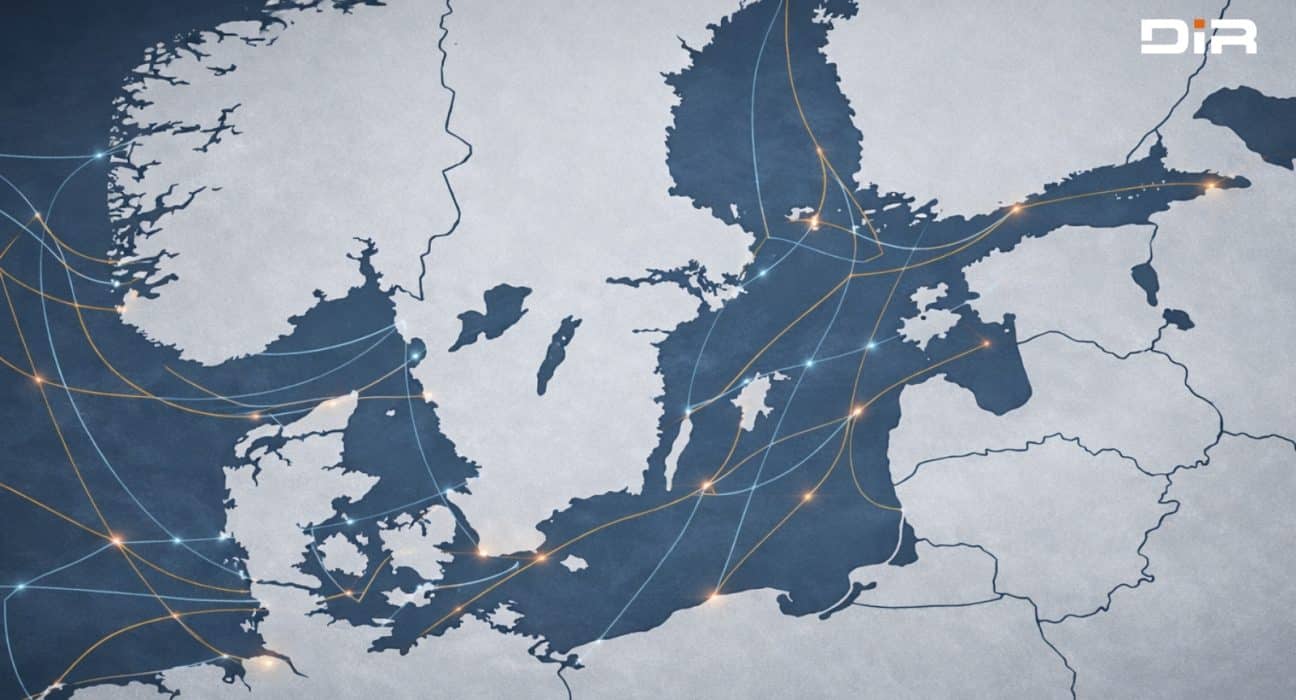
Undersea cables are the backbone of Europe’s digital and energy infrastructure. They carry more than 95 percent of intercontinental data traffic and support critical cross-border electricity interconnections. In practical terms, they are strategic assets.
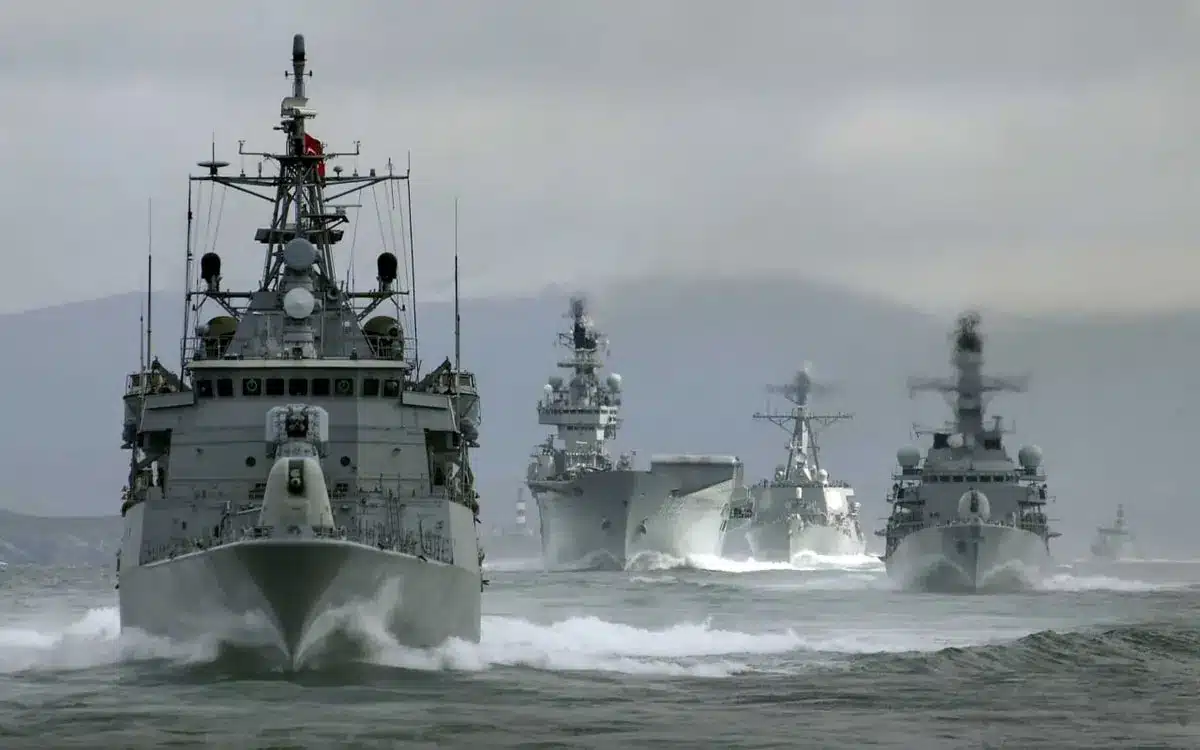
Since 2023, a series of cable incidents in the Baltic Sea has exposed just how vulnerable those assets are. Investigations were launched. Naval patrols increased. Governments coordinated more closely. NATO rolled out the Baltic Sentry initiative to step up maritime surveillance in the region.
But the central challenge is not simply protecting cables from damage. It is proving who is responsible. Without credible legal attribution, deterrence remains constrained.
From physical evidence to state responsibility
When a cable is damaged, investigators start with the basics: underwater inspections, fracture analysis, anchor drag patterns, and vessel tracking data derived from maritime identification systems. These tools can reconstruct what happened with considerable precision.
In the December 25, 2024 case involving the Estlink 2 electricity interconnector between Finland and Estonia, Finnish authorities said the damage coincided with the passage of the tanker Eagle S and a suspected anchor drag. Legal proceedings were launched against crew members based on the available physical evidence.
That establishes potential criminal liability. It does not establish state responsibility.

Other investigations in the region underscore the gap. In November 2024, a Swedish inquiry concluded that while damage had clearly occurred, there was insufficient evidence to prove deliberate intent.
In the Eagle S case, several media outlets described the vessel as part of a so-called shadow fleet linked to Russian oil exports operating under Western sanctions. That context fuels geopolitical suspicion. It does not, however, amount to legally defensible proof of state-directed sabotage.
Attribution unfolds in stages: physical causation, intent, organizational linkage, and ultimately state responsibility. Moving from one level to the next requires increasingly robust evidence. That evidentiary climb is where deterrence often stalls.
The hidden constraint: repair capacity
Cable damage is not a single event. It triggers a chain of operational steps: securing the area, conducting forensic analysis, mobilizing a specialized cable repair vessel, performing offshore repairs, and restoring service.
Repair vessels are a limited resource. Only a small number operate in European waters, and their schedules are shaped by commercial contracts, maintenance cycles, and weather windows. A single incident can tie up critical repair capacity for weeks.

This industrial bottleneck rarely features in public debate, yet it directly shapes strategic resilience. The faster a cable is restored, the less leverage a hostile actor gains. In that sense, repair speed is itself a deterrent variable.
Europe’s undersea vulnerability is therefore not just about exposure to sabotage. It is also about the availability of specialized maritime capabilities.
International law and the high bar for escalation
The United Nations Convention on the Law of the Sea defines what states can and cannot do in exclusive economic zones and on the high seas. Freedom of navigation remains a foundational principle. Intercepting or coercively acting against a vessel requires a clear legal basis.
Publicly attributing a hostile act to a state demands a strong evidentiary record. A premature accusation carries diplomatic, economic, and potentially security consequences.
This legal reality explains Europe’s calibrated posture. NATO’s Baltic Sentry initiative has increased naval and air presence in the Baltic Sea. The European Union has introduced a 2025 action plan aimed at strengthening cable prevention, detection, and resilience.
These steps improve monitoring and coordination. They do not lower the threshold required to formally attribute state responsibility.

A shift toward resilience-based deterrence
The operational takeaway is clear: Europe is leaning toward resilience-based deterrence.
European navies are prioritizing visible presence and enhanced monitoring of sensitive maritime zones. The emphasis is less on immediate punitive action and more on denial and mitigation. If damage occurs, the objective is rapid restoration and controlled escalation.
This approach is not limited to the Baltic Sea. The North Sea, the English Channel, and the North Atlantic host dense clusters of energy interconnectors and digital cables. British and French authorities have increased attention to undersea infrastructure protection in those waters as well, reflecting a broader continental shift.
In effect, Europe is building a posture designed to absorb shocks rather than retaliate quickly. That is not necessarily a weakness. It is a recognition of legal and evidentiary constraints.
A continent-wide exposure
The challenge extends beyond Northern Europe. In November 2025, NATO expanded its engagement on the protection of critical undersea infrastructure in the Mediterranean, signaling that the issue spans all European maritime approaches.
As electricity interconnections multiply in the Mediterranean and transatlantic data flows continue to grow, exposure expands in parallel. Surveillance is improving. Institutional coordination is tightening. Yet the difficulty of establishing legally defensible state responsibility remains.
European undersea deterrence rests on three pillars: evidence, resilience, and international law. As long as proof remains contested or incomplete, responses will remain measured. In this environment, technical robustness and rapid repair capacity are not supporting details — they are strategic fundamentals.